Charm of 12 Old Fashioned Homespun Backgrounds
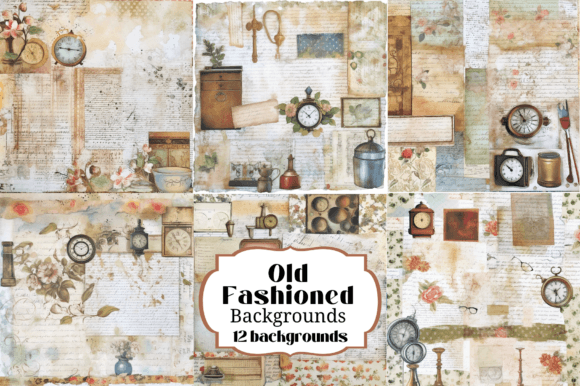
There is a distinct comfort in materials that feel authentic. In the realm of digital design, finding assets that capture the tactile warmth of handcrafted goods can be a challenge. This collection of 12 Old Fashioned Homespun Backgrounds and 12 Old fashioned homespun digital paper backgrounds illustrations offers exactly that solution. These are not merely digital files; they are visual translations of linen textures, vintage fabrics, and the cozy aesthetic of a handmade quilt. For designers, crafters, and brand strategists, these backgrounds provide a foundation for projects that need to communicate sincerity, comfort, and a touch of nostalgic elegance.
The Visual Language of Homespun Textures
Understanding the aesthetic is the first step to using it effectively. These backgrounds evoke the look of natural fibers, cross-stitch patterns, and the slightly uneven weave of traditional cloth. The personality of this style is unpretentious, sturdy, and deeply personal. It bypasses cold digital perfection in favor of something with soul. This makes it a powerful tool in modern typography and design, where audiences often crave authenticity over slick, impersonal graphics. The overall appeal lies in its versatility; it can be the backdrop for a heartfelt family scrapbook page or the subtle texture that gives a boutique brand’s packaging an artisanal edge.
The files themselves are practical design assets. As a digital download, you receive high-resolution PNG files without watermarks. This means the intricate details of the weave and stitch patterns are preserved, allowing for resizing without loss of quality. Each file is clearly labeled, streamlining your workflow. You are not just getting images; you are acquiring a library of instant textures ready for immediate implementation in your projects.
Strategic Applications Across Creative Fields
The true value of these homespun backgrounds is realized in their application. For brand identity projects, particularly for businesses in the wellness, home décor, baking, or artisanal craft sectors, these textures can become a core element of the visual system. Imagine a candle maker’s logo design set against a subtle linen texture, or a bakery’s menu card using a cross-stitch pattern as a border. This approach builds a brand perception that is trustworthy, warm, and rooted in quality craftsmanship.
In editorial design and publishing, these backgrounds solve common problems. A blog post about heritage recipes gains immediate depth with a homespun paper background. A digital magazine feature on slow living feels more immersive. For packaging design, especially for small-batch products, a digital paper background printed on a label or sleeve can make the product feel special and considered before it’s even opened.
Crafters and hobbyists will find endless utility. For scrapbooking, the backgrounds provide authentic vintage layers. In junk journaling, they serve as perfect pages or collage elements. For card making, a printed homespun background instantly elevates a handmade greeting card. Even in social media graphics, a subtle texture can make a quote graphic or promotional post stand out in a feed of flat, digital gradients.
Integrating Texture with Type and Hierarchy
Using a textured background effectively requires thoughtful pairing with typography. The goal is balance, not competition. A heavily textured homespun background pairs best with cleaner, more legible typefaces. Consider using a sans serif font for body copy to ensure readability against the intricate weave. For headlines or logos, a serif font with classic proportions or a script font with a slight rustic touch can complement the style without creating visual chaos.
This interplay directly influences visual hierarchy. The texture sets the mood, while the typography delivers the message. A strong font pairing ensures your text remains the focal point. For example, a bold, simple display font for a headline can anchor the design, while a clean handwritten font might be used sparingly for accents. Testing different combinations is crucial. Overlay your chosen type on the background at various sizes to check for legibility, especially with finer serif details or script flourishes.
Practical Guidance for Selection and Use
When evaluating if these backgrounds fit your project, consider the emotional tone you wish to establish. If the project calls for warmth, nostalgia, or handmade appeal, this collection is ideal. For a sleek, futuristic, or ultra-modern aesthetic, they may not be the right match.
Review the included styles within the set. The 12 variations likely offer a range from subtle, uniform weaves to more pronounced, decorative patterns. Some may mimic plain linen, while others could suggest patchwork or embroidered motifs. Select the specific background that aligns with your project’s scale and detail requirements.
From a practical standpoint, the PNG format is advantageous for its transparency capabilities, allowing you to layer these backgrounds over other elements seamlessly. As these are design assets for commercial use, ensure you understand the licensing. Typically, such digital products allow for use in end products for sale, but it’s always wise to verify the terms for your specific application, whether it’s for client work, print-on-demand products, or personal projects.
Ultimately, the 12 Old Fashioned Homespun Backgrounds are more than decorative elements. They are tools for storytelling. In a digital landscape crowded with noise, they offer a quiet, confident way to connect with an audience on a human level, transforming ordinary projects into memorable, tactile experiences. Whether you are a designer building a brand, a marketer crafting a campaign, or a crafter preserving memories, these backgrounds provide the foundational texture for work that feels genuinely made.