20 Oil Painting Floral Backgrounds: A Designer's Asset
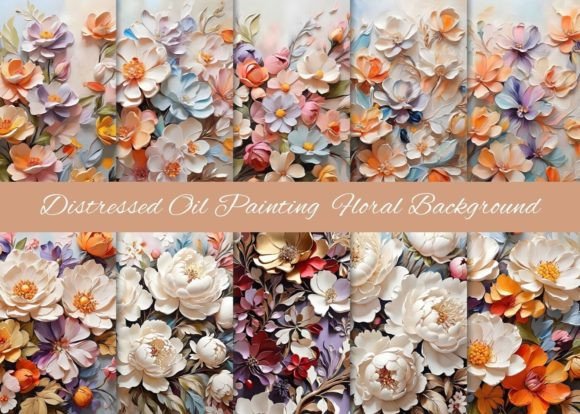
There's a certain depth and texture in oil paintings that digital design often struggles to replicate. The way light catches on impasto, the subtle blending of hues, the organic imperfections—these qualities bring a warmth and authenticity that resonate deeply. That's the core appeal of this collection of 20 Oil Painting Floral Backgrounds. It’s not just a set of pretty pictures; it’s a curated library of rich, tactile visual assets designed to inject immediate sophistication and an artisanal feel into a wide range of projects.
Each background in the collection is a high-resolution JPG file, sized at a generous 4000x4000 pixels. This isn't a casual web graphic. The dimension and quality are built for serious application, ensuring your work remains crisp and detailed whether it's scaled for a massive printed banner or a detailed piece of textile print. The subject matter is classic—florals—but rendered with the unmistakable hand of an artist, making them a versatile foundation for both digital and physical design work.
Visual Character and Practical Appeal
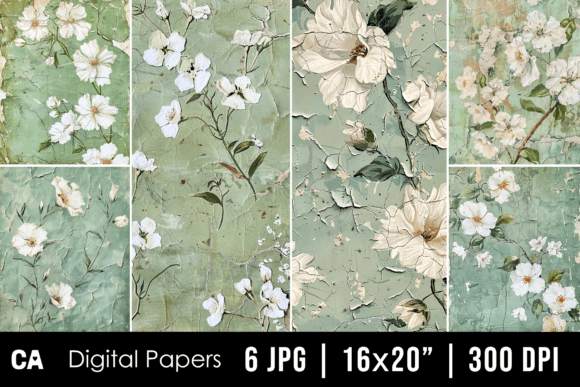
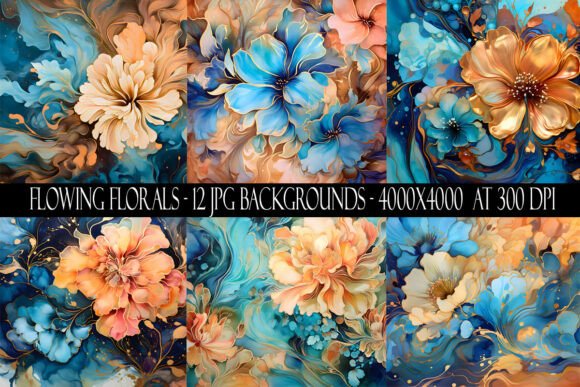
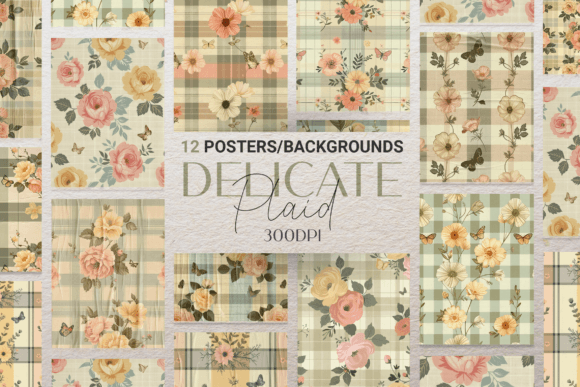
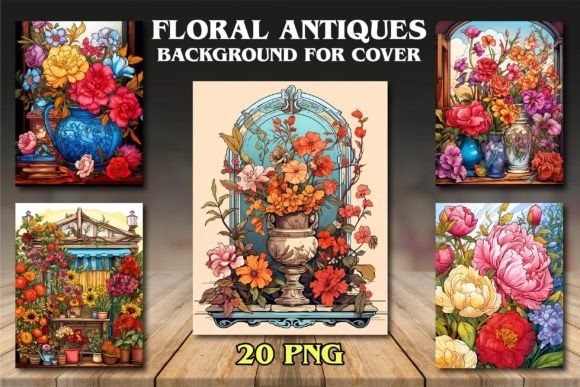
What defines the visual personality of these backgrounds? Think of them as the antithesis of sterile, vector-perfect illustrations. They possess a human touch. You’ll find compositions ranging from dense, romantic bouquets to more minimal, single-stem arrangements. The color palettes are rich and nuanced—deep burgundies, muted sage greens, creamy ivories, and vibrant cobalt blues—all layered with the characteristic texture of oil paint. This style naturally evokes feelings of elegance, timelessness, and handcrafted quality. It’s a style that communicates care and attention to detail, which is invaluable for brand identity and editorial design.
The practical applications are where this asset truly shines. For a graphic designer or small business owner, having a library of such high-quality, textured backgrounds is a game-changer. Consider how they can be used:
- Web Design & Digital Presence: Use them as full-bleed hero images on a website to establish an immediate mood, or as subtle, textured sections behind text to add visual interest without overwhelming content. They are perfect for blog headers, creating a sophisticated backdrop for any topic.
- Branding and Packaging: For brands in the wellness, beauty, artisanal food, or luxury goods space, these backgrounds are pure gold. They can form the foundation of product packaging, shopping bags, gift tags, and labels, instantly communicating a premium, crafted quality.
- Marketing and Social Media: In a feed dominated by flat graphics, a textured oil painting background makes a post stand out. Use them for social media graphics, email newsletter banners, or presentation slides to add a layer of professionalism and aesthetic appeal that generic templates can't match.
- Physical Products and Crafts: The applications extend far beyond the screen. They are ideal for creating unique greeting cards, custom scrapbooking pages, notebook covers, or even as a basis for textile and apparel prints. The high resolution ensures they print beautifully.
Integrating Texture into Your Design Workflow
Working with such expressive backgrounds requires a thoughtful approach to other design elements, particularly typography. The key is balance. Because the backgrounds are visually active, pairing them with clean, simple typefaces is often the most effective strategy. A modern sans serif font can provide a striking contemporary contrast, allowing the floral texture to breathe while ensuring your message remains perfectly legible. For a more harmonious, classic feel, a refined serif font can complement the traditional subject matter.
Avoid overly ornate script fonts or handwritten fonts for body text, as they can become lost in the texture. However, a bold, simple script could work beautifully for a single headline or logo mark if used with careful consideration of contrast and spacing. The goal is to create a clear visual hierarchy where the background supports the message, not competes with it. This thoughtful font pairing is what separates professional design from an amateur collage.
From a project management perspective, having a cohesive set like this ensures consistency across a campaign. You can maintain a unified aesthetic across your website, social media graphics, and printed materials, which is fundamental to building strong brand recognition. The collection acts as a reliable design asset, saving you hours of searching for or creating similar textures from scratch. It’s a practical investment in your creative toolkit.
Making the Most of Your Investment
When evaluating any design asset, it's crucial to consider its fit for your specific needs. The 20 Oil Painting Floral Backgrounds are particularly well-suited for projects where a sense of artistry, warmth, and depth is desired. They are less appropriate for ultra-minimalist tech startups or projects requiring extremely stark, clean visuals. Always consider your target audience and the message you want to convey.
Before finalizing a design, test the backgrounds in context. Place your chosen typography over them at the actual size it will be viewed. Check readability on different screens if it's for digital use, and request a printed proof if it's for a physical product. This step is non-negotiable for ensuring a professional outcome.
While the collection provides a robust starting point, don't be afraid to manipulate the files. Adjust the saturation, apply a subtle color overlay in your design software, or crop in to focus on a specific detail. Treat them as a flexible foundation. The commercial license typically included with such premium font and asset collections allows you to use them in client work and for sale, making them a versatile resource for freelancers and agencies alike. Ultimately, assets like these empower you to elevate your work, adding a layer of tactile beauty that resonates with audiences and sets your projects apart.