Sage Green Floral Journal Backgrounds: A Designer's Perspective
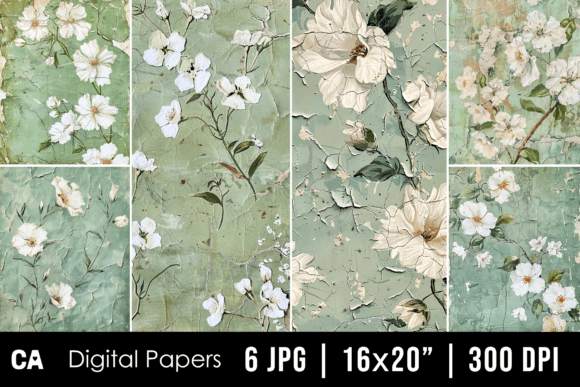
There’s a particular kind of quiet confidence in sage green. It’s not the loud, demanding green of a summer lawn, but a muted, earthy tone that feels both timeless and thoroughly modern. When you pair this color with delicate, vintage-style florals, you get something special: a design asset that carries a sense of history, calm, and organic beauty. This is the essence of our Sage Green Floral Journal Backgrounds collection—a set of six printable digital backgrounds designed to be a versatile foundation for a wide range of creative work.
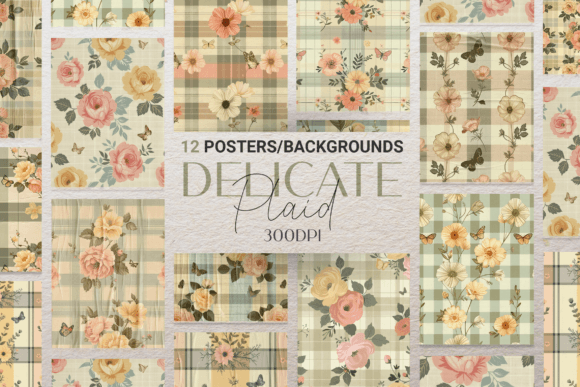
Visually, these backgrounds evoke the feel of a well-loved botanical journal or aged paper found in an antique shop. The sage green base provides a sophisticated, gender-neutral canvas that’s easy on the eyes. Overlaid are intricate floral illustrations in softer, complementary tones—think dusty pinks, creamy whites, and muted lavenders. The style isn’t photorealistic; it’s illustrative, with a hand-drawn or slightly distressed quality that adds texture and character. This combination of a calming color palette and vintage-inspired artwork creates a personality that is elegant, nostalgic, and approachable. It’s a premium font for the background world—thoughtfully crafted, high-resolution, and ready to elevate your projects.
Where These Backgrounds Truly Shine
The real strength of a resource like this lies in its adaptability. You’re not just buying a pretty picture; you’re acquiring a foundational design asset that can unify disparate projects under a cohesive aesthetic. For brand identity work, especially for businesses in the wellness, artisanal goods, stationery, or boutique retail spaces, these backgrounds can set a powerful visual tone. Imagine using them as the backdrop for a product catalog, the cover of a lookbook, or the header image for a website. They instantly communicate values of craftsmanship, nature, and thoughtful design.
For publishing and editorial design, they are a natural fit. Use them as chapter title pages in a book, the background for pull quotes in a magazine, or the base for a newsletter layout. In packaging design, they can wrap a product box, line a gift bag, or become the surface of a hang tag, adding a layer of tactile, vintage charm. The applications extend deeply into the digital realm as well. Social media graphics gain depth and a professional finish when built on these textured backgrounds, helping a brand’s feed stand out with a consistent, curated look.
Beyond commercial use, their appeal is immense for personal and hobbyist projects. The junk journaling and scrapbooking communities will find them invaluable for creating layered, mixed-media pages. Crafters can use them for handmade cards, invitations, and gift wrapping. The high-resolution JPG files at 300 DPI ensure that prints are crisp, whether you’re outputting at home or sending them to a professional print shop. The generous 18x20 inch size offers plenty of room to crop and adapt for various formats.
Practical Guidance for Implementation
Simply having a beautiful asset isn’t enough; using it effectively is what separates good design from great. Here’s how to think about integrating these Sage Green Floral Journal Backgrounds into your workflow.
Evaluating Project Fit: First, consider your project’s goal and audience. These backgrounds carry a specific mood—elegant, vintage, organic. They are a perfect match for a yoga studio’s rebrand or a wedding invitation suite. They might be less suitable for a tech startup’s futuristic launch or a high-energy children’s toy brand. Always let the project’s core message guide your asset selection.
Testing Font Pairings: A background is a stage, and your typography is the lead actor. The muted, textured nature of these backgrounds provides a wonderful stage for a variety of typefaces. For a classic, readable look, pair them with a clean serif font or a sturdy sans serif font. To lean into the vintage aesthetic, consider a script font or a handwritten font for headlines, but use it sparingly for impact. The key is contrast and readability. Always test your chosen typeface directly on the background at the intended size to ensure it remains legible and doesn’t get lost in the floral details.
Leveraging the Collection: The set includes six distinct backgrounds. Don’t treat them as interchangeable. Use one consistently across a single project or campaign to build recognition. Another might serve as a complementary accent. Having a small library allows you to maintain a cohesive brand identity across multiple touchpoints—using one background for your website’s blog headers and another for your email newsletter template—while still providing visual variety.
Readability and Hierarchy: The most critical consideration is ensuring your text is easy to read. The detailed floral patterns can compete with fine print. Use this to your advantage for headlines and titles where you want a decorative feel. For body text, consider using a solid color block or a semi-transparent overlay behind the text to create a clear, readable area. This technique helps establish a strong visual hierarchy, guiding the viewer’s eye from the engaging background to your core message.
Commercial Use and Licensing: As with any creative font or digital asset, understanding the license is crucial. These backgrounds are provided for both personal and commercial use, which is a significant advantage. However, it’s your responsibility to review the specific terms. Typically, this means you can use them in projects you sell (like printed invitations or digital planners) but cannot resell the background files themselves. This makes them a valuable, long-term asset for entrepreneurs and small business owners.
In the end, the value of a design asset like the Sage Green Floral Journal Backgrounds collection is measured by its ability to solve problems and inspire creativity. It offers a ready-made solution for adding sophistication, texture, and a cohesive visual language to a project. It’s a tool that helps you work more efficiently, allowing you to focus on the bigger picture of your design strategy rather than building every element from scratch. By understanding its personality, testing its applications, and implementing it with care for readability and context, you can unlock its full potential to create work that feels both professional and personally resonant.