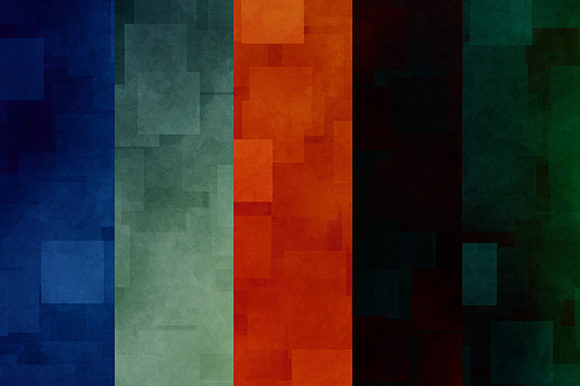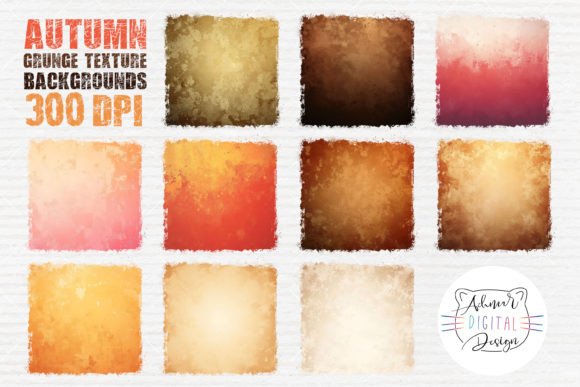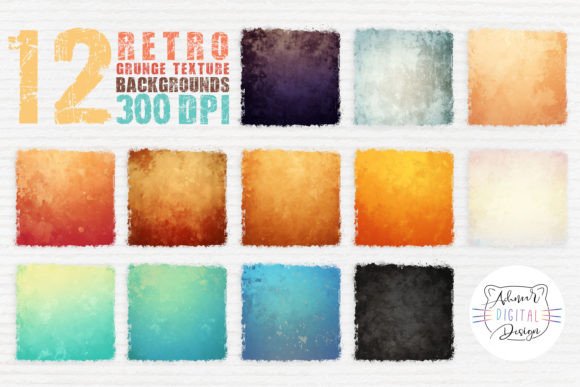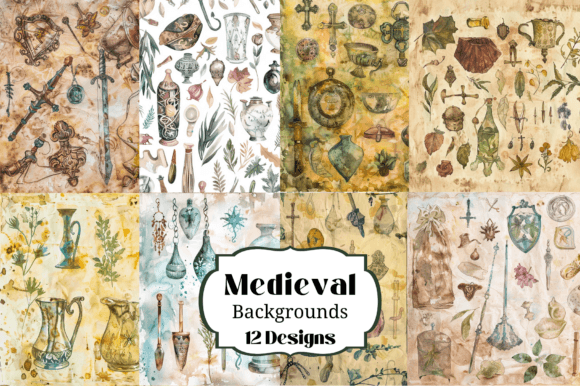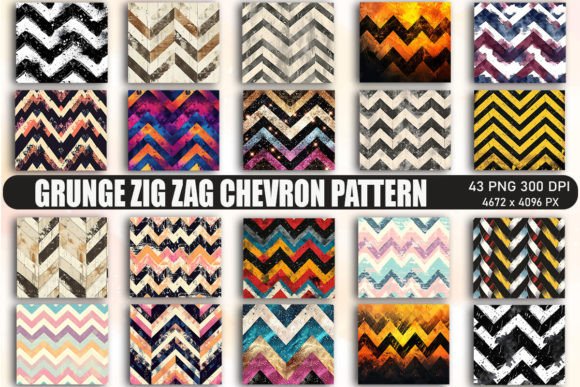
Grunge Chevron Pattern Backgrounds: Texture That Tells a Story
Sometimes a project needs more than a clean, solid color. It needs depth, a bit of grit, and a visual texture that feels tangible. That’s exactly where grunge chevron pattern backgrounds come in. They take the classic, orderly zigzag of a chevron stripe and give it a weathered, distressed treatment. The result isn't just a pattern; it's a layer of visual interest that adds character and a subtle sense of history to your designs.
Imagine the sharp lines of a herringbone or chevron design, but with the edges softened, the fills mottled, and the overall effect feeling like it was printed on old fabric or paper. This style bridges the gap between structured geometry and organic texture. It's a design asset that works quietly in the background, providing a foundation that is both dynamic and grounded, making it a versatile tool for creators who want to add depth without overwhelming their main content.
Where This Texture Truly Shines
The strength of a grunge chevron pattern background lies in its adaptability. It's not a one-trick pony. Its personality—somewhere between industrial and artisanal—allows it to serve different roles across a wide spectrum of projects.
For brand identity, especially for businesses that want to convey authenticity, craftsmanship, or a rugged edge, this pattern is a secret weapon. Think of a coffee roaster, a craft brewery, a boutique guitar shop, or an outdoor apparel company. Using a grunge herringbone as a subtle background on a website hero image, a business card, or product packaging instantly sets a tone. It tells customers this brand values substance and texture over sterile perfection.
In editorial design and web design, it solves a common problem: how to create visual hierarchy and separation between sections without resorting to harsh lines or distracting colors. A faint, grungy chevron stripe behind a pull quote or a featured blog post draws the eye naturally. On a website, it can be used for section backgrounds, helping to break up long pages and guide the user's journey through the content in a way that feels engaging, not cluttered.
For print projects like invitations, scrapbooking, and greeting cards, the texture adds a handmade, tactile quality. A wedding invitation with a distressed herringbone pattern on the envelope liner or as a border feels more personal and less mass-produced. Similarly, for social media graphics, using this pattern as a background for text overlays or quote cards makes them stand out in a fast-scrolling feed. The texture adds a layer of professionalism and intentional design that a plain background can't match.
Making It Work: Practical Guidance for Your Projects
Adopting any new design asset requires a bit of strategy. Here’s how to get the most out of a pack like the Grunge Chevron Pattern Backgrounds from Lazysun.
Evaluate the Fit. Before you start, ask: does my project need texture? If you're designing for a minimalist tech startup, a heavy grunge might feel out of place. But if you're creating a poster for a music festival, a menu for a gastropub, or branding for a vintage-inspired shop, it's likely a perfect match. The "grunge" element should enhance, not clash with, your project's core message.
Test for Readability. The number one rule with any textured background is ensuring your foreground text is legible. The high-resolution, 300 DPI files in this collection are key here, as they retain detail even when scaled. Always test your type over the pattern. You may need to:
- Increase the font size or use a bolder weight for headings.
- Choose a sans-serif font for body copy, as they often maintain clarity better over busy textures than some serif fonts.
- Add a semi-transparent overlay (a color wash) between the pattern and your text to create a safe zone for readability.
Master Font Pairing. This is where you create sophistication. The organic, distressed nature of the background pairs beautifully with clean, modern typography. Try combining it with a crisp, geometric sans-serif font for a striking contrast. Alternatively, pairing it with a elegant script font can create a lovely, textured juxtaposition for projects like wedding stationery. The key is to let the pattern be the texture and your typeface be the clear voice.
Leverage the Included Files. This pack includes 43 PNG files at a substantial size. Don't just use one. Experiment with different scales and rotations. A pattern that looks like a tight herringbone at 100% might reveal a beautiful, large-scale zigzag when you scale it up 200%. Use the variety to find the perfect density and movement for each specific application. Remember, these are digital prints meant for layered projects—they aren't cut files, so use them as intended: as rich, detailed layers in your design software.
Consider Commercial Use. The license for these assets allows for use in commercial projects, which is essential for entrepreneurs and designers. You can confidently use them in client work, products for sale, and marketing materials. Just ensure you are following the terms of the license, which typically means you cannot resell the pattern files themselves.
In the end, a well-chosen texture background like this does more than fill space. It builds atmosphere, supports your content, and contributes to a cohesive brand identity. It's a practical design asset