Retro Grunge Texture Backgrounds: Authentic Vintage Style
There is a specific kind of visual weight that only comes from history. You know the feeling when you see a vintage concert poster or an old weathered sign? It feels grounded, real, and textured. In the digital world, we often struggle to replicate that "lived-in" atmosphere because pixels are inherently clean and perfect. That is exactly why Retro Grunge Texture Backgrounds have become such an essential tool in the modern creative's arsenal. They bridge the gap between digital precision and analog authenticity, allowing you to inject soul into your work instantly.
The Aesthetic of Imperfection
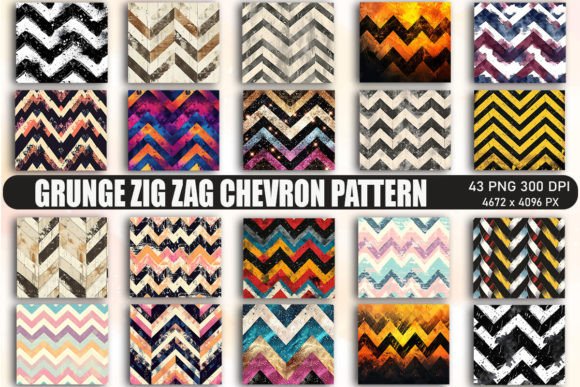
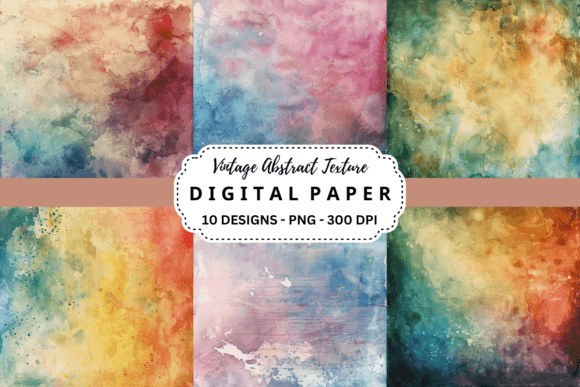
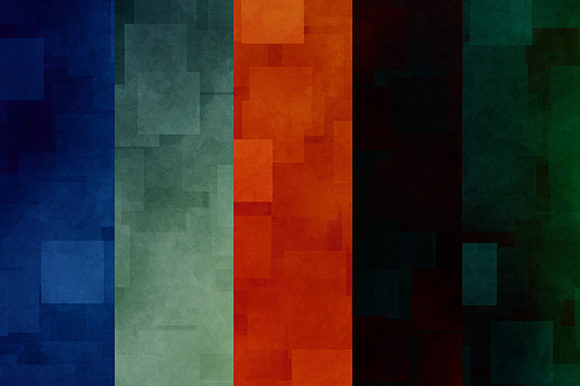
When we talk about "grunge," we aren't just talking about dirt or mess. We are talking about a style movement that values raw, unpolished aesthetics over corporate cleanliness. These textures are characterized by distressed overlays, film grain, halftone dots, and subtle noise. They mimic the look of aged paper, worn concrete, or vintage print processes.
The appeal lies in the personality. A clean white background is functional, but a retro grunge texture tells a story. It suggests that your brand or artwork has a history. For graphic designers and illustrators, these backgrounds serve as the perfect canvas. They provide a layer of complexity that flat colors simply cannot match. By using a high-resolution grunge texture, you create a sense of depth that draws the viewer's eye in, making your main subject pop against a rich, detailed backdrop.
Why Quality Matters: The 300 DPI Difference
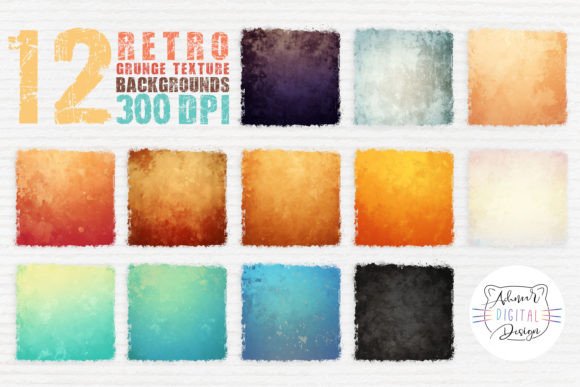
You might find free textures scattered across the web, but they often fall short when it comes to professional application. This collection of Retro Grunge Texture Backgrounds is delivered as 12 high-resolution files at 300 DPI. Why does this matter? It matters for versatility.
At 300 DPI (dots per inch), these textures are print-ready. You can use them for large-format poster design or packaging design without worrying about pixelation or artifacts. If you are a web designer, the high resolution allows you to zoom in on specific sections of the texture to find the perfect "sweet spot" of distress, ensuring your website background looks unique rather than like a generic repeating tile. This level of quality is what separates amateur projects from professional-grade design assets.
Practical Applications Across Industries
The versatility of these backgrounds is their strongest selling point. They are not limited to one niche; they are a cross-functional asset that can elevate various types of projects. Here is how different professionals can utilize them:
- For Brand Identity and Logo Design: If you are working with a brand that wants to appear rugged, authentic, or established, these textures are invaluable. Applying a subtle grunge overlay to a logo can give it an "embossed" or "stamped" look. This works exceptionally well for breweries, outdoor adventure brands, vintage clothing lines, or artisanal coffee shops. It helps build a brand identity that feels tangible.
- For Social Media Graphics: The social media feed is a crowded place. Clean, minimalist graphics often get lost in the noise. A textured background can stop the scroll. Use these backgrounds behind bold typography for quote graphics or promotional announcements. The texture adds visual interest that makes the content feel more curated and less like a stock template.
- For Editorial and Web Design: In editorial design, textures can be used to separate sections or create visual breaks. On the web, a subtle grunge background can soften the harshness of a digital interface, making the reading experience feel more organic and comfortable. It adds a layer of warmth that sterile, flat designs lack.
- For Digital Art and Photography: Photographers can use these textures as overlays to add a vintage film effect to their images. By experimenting with blending modes like "Multiply" or "Overlay," you can merge the texture with your photo to create a cohesive, retro aesthetic. Digital artists can use them to add grit and realism to their illustrations.
Integrating Textures with Typography
One of the most common challenges in design is ensuring that your text remains readable when placed over a busy background. Retro Grunge Texture Backgrounds are visually complex, so you need to be strategic with your typography choices.
When pairing fonts with these textures, contrast is your best friend. Because grunge textures are organic and irregular, they pair beautifully with clean, geometric sans serif fonts. The simplicity of the typeface cuts through the noise of the texture, ensuring your message is clear. Alternatively, if you are going for a fully vintage vibe, a bold serif font or a heavy display font can work well, provided the texture isn't too "busy" in the area where the text sits.
A practical tip for graphic designers is to use the texture to create a "knockout" effect. Place your text, and then use the texture to mask the background, or place a semi-transparent solid color block behind your text to separate it from the grunge. This maintains the visual hierarchy of your design while keeping the aesthetic cohesive. Remember, the goal is readability; the texture supports the message, it shouldn't overpower it.
Maximizing Your Asset Library
Investing in a quality pack of textures like this is about more than just buying images; it's about expanding your creative capabilities. Having a library of 12 distinct JPEGs gives you a range of options, from subtle noise to heavy distress. This variety allows you to maintain consistency across a project while varying the intensity of the background.
For content creators and marketers, these textures offer a way to refresh old content. You can take an existing social media template or a website banner and give it a completely new look simply by swapping the background texture. It is a quick, cost-effective way to keep your visual content feeling fresh and aligned with current design trends that favor vintage and retro styles.
Ultimately, these Retro Grunge Texture Backgrounds are about adding humanity to digital work. They remind us that behind every screen is a creator trying to tell a story. Whether you are designing a wedding invitation, a rock concert poster, or a corporate presentation that needs a bit of edge, these textures provide the foundation for work that feels real, tactile, and timeless. Don't settle for flat, lifeless backgrounds when you can add a layer of history and character to your projects. Elevate your work today and see the difference that professional-grade texture makes.