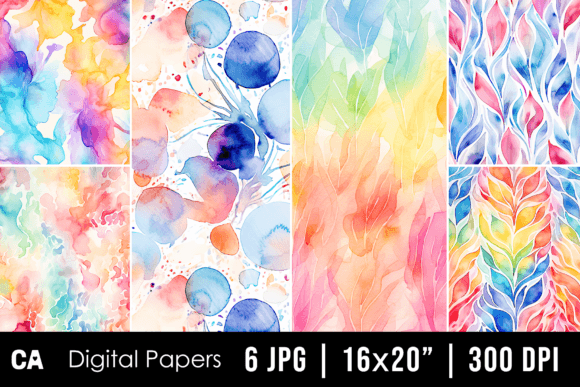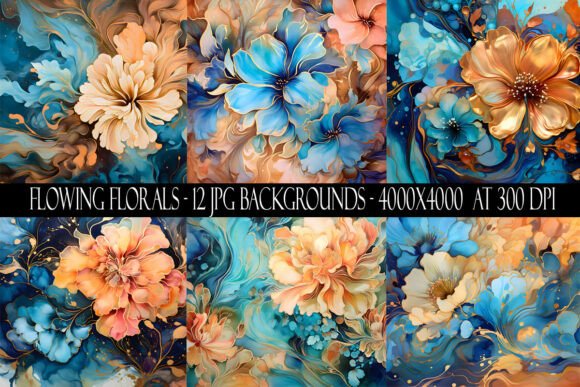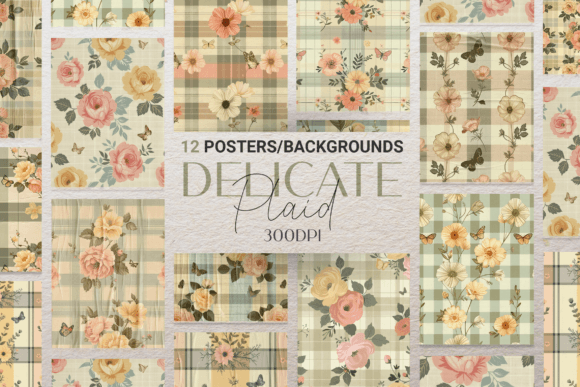
Peach Pastel Watercolor Backgrounds Set: A Designer's Guide
The Gentle Power of a Watercolor Canvas
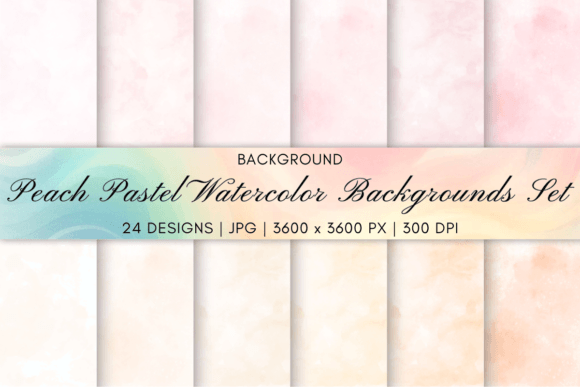
Every designer knows the challenge: you have a brilliant concept, a clear message, and a solid layout, but the foundation feels flat. The right background isn't just decoration; it's the atmosphere of your entire project. The Peach Pastel Watercolor Backgrounds Set offers a solution rooted in subtlety and sophistication. This collection isn't about loud patterns or overwhelming textures. Instead, it provides a library of 24 distinct, high-resolution canvases that whisper rather than shout. Each 3600x3600 pixel, 300 DPI JPEG file captures the soft, blended washes and delicate paper grain characteristic of real watercolor art. The personality is one of calm warmth—the color of a sunrise, the softness of a petal, the quiet elegance of handmade paper. This visual style bridges the gap between organic artistry and digital precision, making it a versatile asset for a wide range of creative professionals.
Practical Applications: Where Watercolor Backgrounds Excel
Understanding where these backgrounds work best is key to leveraging their full potential. Their inherent softness and warmth make them particularly effective in projects where you want to evoke comfort, creativity, and approachability.
- Digital Branding & Social Media: For entrepreneurs and small business owners, these backgrounds are a secret weapon. Use them behind quote graphics, promotional announcements, or product feature posts on Instagram and Pinterest. They add a layer of professionalism and visual cohesion to a brand identity without requiring custom illustration. The pastel peach tone is gender-neutral and universally appealing, making it ideal for lifestyle brands, wellness coaches, handmade goods sellers, and boutique agencies.
- Web Design & Digital Products: In web design, a watercolor background can serve as a hero image or a subtle section divider, adding depth without distracting from navigation or text. For digital product creators—think planners, journal templates, or ebook covers—these backgrounds provide a premium, tangible feel that elevates a simple PDF into a perceived luxury item. They are a perfect design asset for creating cohesive digital art collections.
- Print-on-Demand & Packaging: The high DPI resolution makes these files flawless for physical products. Imagine them as the backdrop for wedding stationery, greeting cards, notebook covers, or even fabric patterns. In packaging design, a watercolor wash can communicate artisanal quality and natural ingredients, directly influencing brand perception and shelf appeal.
- Editorial & Scrapbooking: For bloggers and content creators, they offer a beautiful way to frame featured images or create visual breaks in long-form content. For crafters, they are the ideal scrapbooking foundation, providing a consistent, artistic base for photos and embellishments.
Integrating Watercolor Backgrounds into Your Design Workflow
Simply having a beautiful asset isn't enough; effective integration is what makes a project successful. Here’s how to approach the Peach Pastel Watercolor Backgrounds Set with a strategic mindset.
Evaluating Project Fit: Before you start, ask if the background’s personality aligns with your project’s goal. Is it a calming yoga studio brochure or a vibrant children’s party invitation? This set leans toward tranquility and elegance, making it perfect for the former but potentially too subdued for the latter unless paired with bolder elements. Its strength lies in supporting content, not overpowering it.
Font Pairing is Crucial: This is where modern typography meets organic art. The soft, irregular nature of watercolor pairs beautifully with clean, structured typefaces. Consider using a sans serif font for body text to ensure maximum readability against the textured background. For headings, a elegant serif font can add a touch of classic sophistication, while a careful script font or handwritten font can enhance the personal, artistic feel—just be sure to test it for legibility at various sizes. Avoid overly decorative or busy display fonts that might compete with the background’s texture.
Creating Visual Hierarchy: Use the background to guide the eye. Place your most important text or graphics in the areas of the background that are lightest or least textured. You can also use semi-transparent overlays (like a soft white or cream rectangle) behind text blocks to create a solid, readable area while letting the watercolor peek through at the edges. This maintains the artistic feel while ensuring your message is crystal clear.
Ensuring Consistency and Professionalism: The real value of a set like this is the ability to maintain a consistent aesthetic across multiple projects or platforms. Using the same background (or different ones from the same set) across your website, social media, and print materials builds immediate visual recognition. It signals a thoughtful, cohesive brand, which boosts audience engagement and trust.
Licensing and Commercial Use: Always review the licensing terms. For a commercial font or asset, you need to ensure the license covers your intended use, whether it’s for client work, print-on-demand sales, or digital products for resale. This set’s availability on a platform like Creative Fabrica typically includes a commercial license, but due diligence is part of professional workflow.
In practice, start by selecting 2-3 backgrounds from the set that best match your color palette and mood. Test them with your chosen typography at actual size to check for readability and visual balance. The goal is to find a harmonious relationship where the background enhances the content, creating a unified piece that feels both professionally crafted and personally engaging. This thoughtful approach transforms a simple design asset into a cornerstone of effective visual communication.