Unlocking Creative Projects with Colorful Wood Backgrounds
A Textured Foundation for Modern Design
Practical Applications: From Digital to Physical
Print-on-Demand and Merchandise
Greeting Cards and Invitations
Digital Branding and Web Design
Strategic Design Considerations
Typography and Readability
Because these backgrounds have a strong visual presence, your font choice is critical. A highly detailed script font or a complex handwritten font might get lost in the grain. Instead, consider pairing these textures with a bold sans serif font or a clean modern typography style. The contrast between a sharp, geometric typeface and an organic, flowing wood grain creates a dynamic visual tension that is very pleasing to the eye. If you must use a serif font, ensure it has a heavy weight so the letters don't disappear into the background texture.
Color Theory and Brand Perception
Evaluating Project Fit
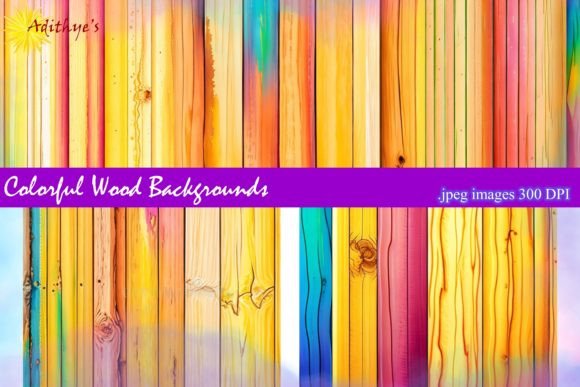
Before committing to a background, test it. Place your mockup designs over the image. Zoom in to check how the texture interacts with the edges of your graphics. Because these files are high-resolution (300 DPI), they are suitable for professional commercial font and design printing. However, always ensure the background doesn't make the overall design feel "noisy." If the project requires a lot of text or detailed data visualization, you might need to mute the background slightly or use it only as an accent strip rather than a full bleed.
Ultimately, Colorful Wood Backgrounds are more than just filler; they are a creative tool for building atmosphere. Whether you are designing a logo, crafting a scrapbook page, or building out a packaging design