Elevate Your Projects with Silver Backgrounds
There is a distinct kind of magic in a design that feels both timeless and undeniably luxurious. We often chase complex patterns and vibrant colors to make an impact, but sometimes, the most powerful statement comes from a foundation of pure, refined elegance. This is where Silver Backgrounds come into play. They aren't just a color; they are a mood, a texture, and a versatile design asset that can transform the mundane into the magnificent. Think of it as the perfect frame for a masterpiece or the quiet, confident backdrop that allows the main subject to truly shine.
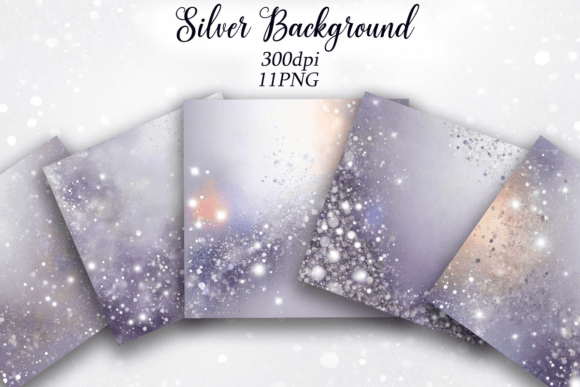
So, what exactly are we talking about? Silver Backgrounds are a collection of high-resolution, digital textures designed to emulate the sophisticated look of silver. We're not talking about a flat, monotonous gray. Instead, imagine the subtle, swirling patterns of polished sterling, the intricate grain of brushed aluminum, the delicate shimmer of silver leaf, or the soft, ethereal glow of metallic linen. The visual personality is one of quiet confidence, modern elegance, and a touch of futuristic cool. It’s a style that communicates professionalism and quality without saying a word, making it a cornerstone for any serious designer's toolkit.
Why Silver is a Strategic Choice for Modern Design
In a world saturated with loud visuals, silver offers a sophisticated pause. Its appeal lies in its neutrality and its inherent association with premium quality. Unlike stark white or deep black, silver introduces depth and texture, creating a dynamic surface that interacts with light and other design elements. This makes it an incredibly powerful tool for influencing brand perception. A brand that uses a textured silver background in its marketing materials or logo design subconsciously communicates stability, innovation, and a high-end market position. It’s a choice that says, "We pay attention to detail."
The real-world applications for this digital asset are nearly limitless, bridging the gap between digital and physical creation. For the entrepreneur building a brand identity, these backgrounds can form the basis of a stunning logo, a sophisticated website header, or elegant social media graphics that demand attention. For the content creator or blogger, a silver texture can elevate a simple blog post into a visually compelling story, perfect for backgrounds in digital stationery or creating a cohesive aesthetic for a YouTube channel. The versatility is its greatest strength, allowing for seamless integration into any project that calls for a touch of class.
From Digital Screens to Physical Products
The utility of these backgrounds extends far beyond the screen. For crafters and hobbyists, they are a gateway to creating custom-designed physical goods. Imagine printing a shimmering silver texture onto high-quality vinyl to create unique planner stickers, clips, and dividers that stand out. The same file can be used to design and print custom mugs, pillows, or even a section of a tapestry for a truly personalized piece of home decor. The possibilities for creating one-of-a-kind gifts or products for a small business are immense, limited only by your imagination.
Furthermore, in the world of event planning and personal correspondence, Silver Backgrounds are indispensable. They provide a perfect foundation for crafting elegant wedding invitations, sophisticated party invitations, and memorable greeting cards. In scrapbooking and journaling, a printed silver texture can add a layer of depth and luxury to your layouts. Because the files are high-resolution PNGs, they are print-ready, ensuring that the final physical product retains the crisp detail and subtle nuances of the digital design.
Practical Guidance for Using Your Silver Backgrounds
Integrating any new design asset into your workflow effectively requires a bit of strategy. Here’s how to get the most out of your Silver Background collection. First, consider the project's goal. Is it for a bold, modern web design? A soft, romantic wedding invitation? The specific silver texture you choose—be it a hard, metallic surface or a soft, fabric-like grain—should align with the desired mood.
Next, think about your font pairings. The elegance of silver pairs beautifully with a wide range of typography. For a clean, contemporary look, try combining it with a sharp sans serif font. To emphasize a more traditional or luxurious feel, a classic serif font works wonders. For projects that need a personal, human touch, such as invitations or branding for a boutique business, a flowing script font or a charming handwritten font can create a beautiful contrast against the sleek background.
- Test for Readability: Always place your text over the background to ensure it's legible. The intricate patterns of a texture can sometimes interfere with text clarity. A slight drop shadow or a semi-transparent overlay behind the text can often solve this.
- Layer and Blend: Don't be afraid to experiment. In programs like Photoshop or Canva, you can layer multiple backgrounds, adjust their opacity, or use blend modes to create entirely new and unique textures.
- Consider Commercial Use: When sourcing design assets, it's crucial to understand the licensing. These premium PNG files are typically licensed for both personal and commercial projects, allowing you to use them in products you sell, client work, and marketing materials without worry.
Ultimately, a collection of high-quality Silver Backgrounds is more than just a set of pretty pictures. It’s a versatile, professional-grade tool that empowers you to produce cleaner, more sophisticated, and more impactful designs. It helps establish a strong visual hierarchy, ensures brand consistency across all your platforms, and enhances audience engagement by providing a visually pleasing experience. By thoughtfully selecting and applying these textures, you are not just decorating a space; you are building a foundation of quality and elegance that will resonate with your audience.