18 Marmor Backgrounds: Elevate Your Projects with Luxury Textures
In the world of design, the background is rarely just empty space. It is the stage upon which your content performs. For projects ranging from web design to physical scrapbooking, the texture you choose dictates the mood and the perceived value of the final product. If you are looking for a way to inject sophistication and organic elegance into your work, the 18 Marmor Backgrounds collection offers a versatile solution. These assets are not merely decorative; they are functional tools for brand identity and storytelling.
The Visual Character of Abstract Marble
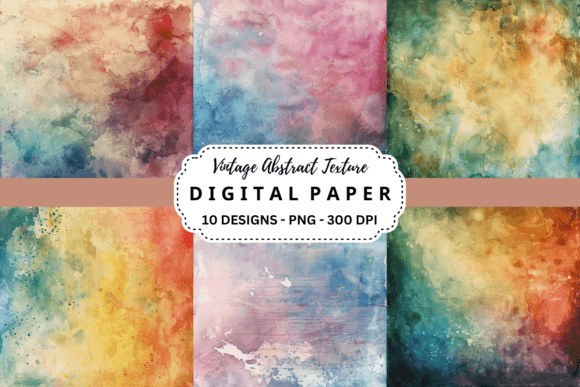
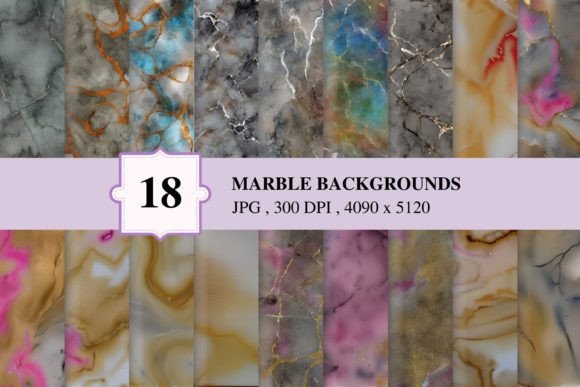
Marble has long been a symbol of durability and luxury. However, standard grey stone can sometimes feel cold or overly corporate. This collection takes a different approach by offering abstract marble backgrounds. These files move beyond simple replication of stone slabs. They capture the fluidity of ink in water or the swirling patterns of agate, utilizing a palette that ranges from stark monochromes to vibrant, blended hues. The visual personality of these textures is organic and chaotic, yet balanced. They provide a sense of movement that static colors cannot achieve.
The technical specifications ensure that this visual quality is maintained across various formats. Each file is a high-resolution JPG at 4090 x 5120 pixels with 300 DPI. This is crucial for creative professionals. You can scale these backgrounds for large-format printing, such as posters or banners, without losing image integrity. The high resolution also allows for extreme cropping. If you only want to feature a small section of the swirl pattern as a texture overlay, the detail remains crisp. For designers working in editorial design or packaging design, this level of detail is non-negotiable.
Practical Applications for Creators and Businesses
The utility of the 18 Marmor Backgrounds extends far beyond a single niche. The versatility of abstract textures makes them a valuable addition to almost any creative toolkit. For those in the digital space, these backgrounds are excellent for social media graphics. In a crowded feed, a bold, abstract marble pattern can stop the scroll. It provides a complex, interesting backdrop for typography without overwhelming the message. This is particularly effective for Instagram stories, Pinterest pins, or LinkedIn banners where visual impact is immediate.
For physical products and personal projects, the applications are equally broad:
- Junk Journals and Scrapbooking: These textures serve as perfect base layers. They add depth to pages that might otherwise look flat. Because the patterns are abstract, they blend well with vintage ephemera, modern photography, and handwritten notes.
- Web Design: Use these backgrounds for hero sections or footer designs. They break up the monotony of solid color blocks and can help define different sections of a website.
- Marketing Materials: Entrepreneurs can use these files for business cards, lookbooks, or menu designs. The inherent "premium" feel of marble textures helps position a brand as high-quality and established.
Design Strategy: Balancing Texture and Readability
While these design assets are visually striking, they require a thoughtful approach to typography. This is where the skills of a brand strategist or designer come into play. You cannot simply place text over a busy marble swirl and expect it to be legible. The interaction between the background and the typeface is critical.
When pairing fonts with these backgrounds, simplicity is your ally. Because the marble patterns are complex and organic, you generally want to avoid script fonts or highly decorative handwritten fonts for body text. These can get lost in the texture. Instead, consider a clean sans serif font or a bold serif font with high contrast. The goal is to create a clear visual hierarchy. The background provides the atmosphere, but the typography must deliver the information clearly.
Here are a few practical tips for integrating these backgrounds into your workflow:
- Use Overlays: If the marble pattern is too vibrant for your text, place a semi-transparent color overlay between the background and the text. This dims the texture while keeping the organic feel.
- Crop for Focus: Do not feel obligated to use the entire 4090 x 5120 canvas. Zoom in to find "quiet" areas of the texture where the patterns are less dense, and place your headlines there.
- Color Harmony: Pay attention to the colors within the specific marble file you choose. Pull a secondary color from the swirls to use for your buttons, borders, or accent text. This creates a cohesive brand identity that feels intentional rather than accidental.
Why High-Resolution Assets Matter
In the era of high-definition screens and professional printing, quality cannot be compromised. Using low-resolution images is one of the fastest ways to make a project look amateur. The 18 Marmor Backgrounds collection mitigates this risk by providing files that are ready for commercial use. Whether you are printing a wedding invitation or designing a website header, the 300 DPI quality ensures that the edges of the swirls remain sharp and the color gradients remain smooth.
Furthermore, having a library of 18 distinct variations provides flexibility. You are not locked into a single look. You might use a darker, moodier abstract marble for a winter campaign and a lighter, pastel version for a spring launch. This consistency in texture—paired with variation in color—allows for seasonal marketing strategies that still feel connected to your core visual identity.
Final Thoughts on Creative Utility
Ultimately, the value of the 18 Marmor Backgrounds lies in their ability to solve design problems. They offer a quick way to add texture, depth, and luxury to a project without the need for custom photography or complex 3D rendering. For the small business owner, they are a cost-effective way to elevate marketing materials. For the hobbyist, they are a source of inspiration for new creative projects.
By understanding the technical strengths of these files and applying solid design principles regarding readability and font pairing, you can turn these abstract textures into powerful communication tools. Whether you are building a brand from scratch or refreshing an existing one, incorporating high-quality textures is a step toward a more professional and engaging visual presence.