Unlocking Industrial Edge: Iron Plate Texture Backgrounds
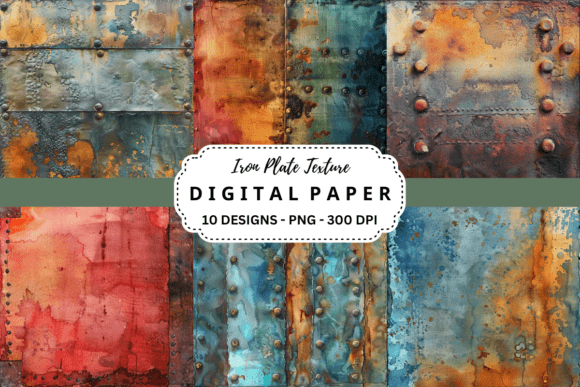
In the world of digital design, texture is often the silent hero that separates a flat, lifeless composition from something that feels tactile and immersive. When we talk about Iron Plate Texture Backgrounds, we aren't just talking about a pattern; we are discussing a specific aesthetic language that conveys strength, durability, and a raw, industrial heritage. These backgrounds are built around the visual characteristics of weathered metal—think heavy gauge steel, oxidized surfaces, riveted seams, and the subtle imperfections of age. For the modern creative professional, this texture offers a bridge between the gritty reality of the physical world and the polished demands of digital media. It provides a foundation that feels substantial, grounding your foreground elements with a sense of history and weight.
The Visual Character of Weathered Steel
What makes these specific assets so compelling is the fidelity of the detail. We are looking at a collection that boasts 300 DPI resolution at a massive 3600 x 3600 pixels. This is crucial because texture needs to hold up under scrutiny. When you are working on a large-scale poster or a high-definition banner, low-resolution pixels destroy the illusion. With these dimensions, the grain of the iron, the depth of the scratches, and the layers of rust or patina remain crisp even when zoomed in. The "personality" of this texture is inherently masculine and robust, though it can be used to create fascinating contrasts when paired with delicate typography or soft imagery. It speaks of factories, vintage machinery, and steampunk aesthetics, but it can also read as "modern minimalism" when applied with the right color grading.
Strategic Applications for Designers and Entrepreneurs
Understanding where to deploy Iron Plate Texture Backgrounds is key to maximizing their value. This isn't a one-trick pony; it is a versatile toolkit for various industries. Here is how different professionals can leverage these assets:
- Social Media and Branding: For brands that want to project an image of reliability and toughness—think fitness centers, construction firms, automotive detailing, or heavy metal bands—these textures are perfect for Instagram stories or Facebook cover photos. They provide an immediate visual shorthand for "strength."
- Packaging and Label Design: If you are working on a craft beer label, a hot sauce bottle, or men's grooming products, an iron plate background adds a premium, tactile quality to the packaging mockup. It suggests that the product inside is crafted with substance.
- Print on Demand (POD): The 3600px size is ideal for POD projects. You can use these as wrap-around designs for phone cases, tote bags, or even notebook covers without worrying about tiling artifacts or blurriness.
- Editorial and Web Design: In web design, these textures can serve as hero sections for landing pages that need a dramatic impact. In editorial design, they work as chapter breaks or pull-quote backgrounds to anchor the reader's eye.
Integrating Texture into Visual Hierarchy
Using a texture as dominant as iron requires a solid grasp of visual hierarchy. Because the background is visually "busy" with natural noise and detail, your typography needs to stand out. This is where pairing becomes critical. A bold, clean sans serif font usually performs best here because the simplicity of the letterforms contrasts sharply with the complexity of the metal surface. If you use a script font or a highly detailed serif font, ensure it has enough weight or a solid drop shadow to remain legible.
Furthermore, consider the psychological impact on your audience. An iron texture influences brand perception by removing the "corporate plastic" feel that many digital assets have. It adds a layer of authenticity. When a customer sees a design utilizing these backgrounds, they subconsciously associate the brand with craftsmanship and permanence. This is particularly effective for logo design presentations where you want to show how a brand mark looks in a rugged environment, or for invitations to themed events like industrial loft weddings or vintage parties.
Practical Workflow and Asset Management
As a creator, your time is valuable. The fact that this set includes 10 Individual PNG Files means you have a variety of options to cycle through, preventing your work from looking repetitive. PNG format is essential here; it preserves the integrity of the texture without compression artifacts, and depending on how they are prepared, may allow for easier transparency handling if you are layering them over other colors.
When evaluating the fit of these backgrounds for a project, I recommend a "squint test." Squint at your layout with the texture applied. If the texture overpowers the message, dial back the opacity. Often, setting the texture layer to 50-70% opacity or using a "Multiply" blending mode allows the color of your underlying design to show through, creating a more integrated look. This is especially useful in fashion projects or scrapbooking where you might want the texture to feel like it's printed on the paper rather than pasted on top.
Commercial Licensing and Versatility
For small business owners and entrepreneurs, the commercial viability of design assets is a primary concern. High-quality textures like these are an investment that pays dividends across multiple channels. Whether you are designing a wrapping paper pattern for your e-commerce store or creating printing labels for a new product line, having a reliable, high-resolution background ensures your final print product looks professional.
Do not be afraid to experiment with color grading. While iron is naturally grey and rust-colored, these textures respond beautifully to color overlays in Photoshop or Illustrator. Tinting the iron blue can create a cold, futuristic vibe suitable for tech startups, while warming it up with sepia tones enhances the vintage appeal for heritage brands. This flexibility makes the asset pack a "Swiss Army knife" for designers.
Final Thoughts on Execution
The mark of a good design asset is its ability to adapt to the designer's vision rather than forcing the designer to adapt to it. Iron Plate Texture Backgrounds offer a rich, visual foundation that can elevate a project from generic to memorable. By respecting the texture's inherent visual weight and pairing it with complementary typography and thoughtful layout strategies, you can create designs that not only catch the eye but also hold the viewer's attention through sheer textural richness. Whether for digital screens or physical prints, these backgrounds provide the grit and gravitas that many modern designs lack.