Transforming Projects with Alcohol Ink Art Backgrounds
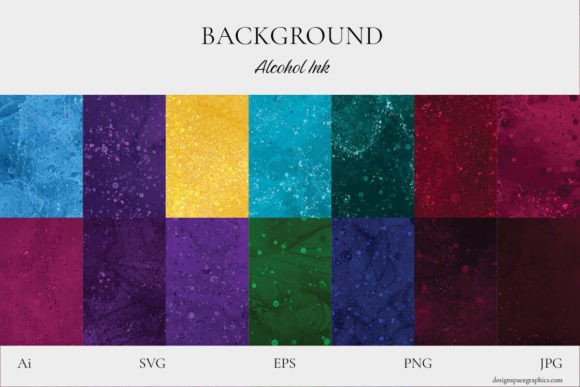
There is a specific kind of visual energy that only comes from the unpredictable flow of alcohol ink. If you have ever watched the pigments disperse and bloom on a non-porous surface, you understand the magnetic pull of that process. Alcohol Ink Art Backgrounds capture that exact moment of fluid transformation, freezing the chaotic beauty of the medium into high-quality design assets. Unlike static, geometric patterns, these backgrounds feel alive. They offer a rich, organic texture that mimics nature—think of oil on water or the deep layers of a geode. This makes them an invaluable tool for anyone looking to inject personality and depth into their creative work, moving beyond the flat, sterile look that plagues so much modern digital design.
The Visual Character: Fluidity Meets Digital Precision
When we talk about the "personality" of Alcohol Ink Art Backgrounds, we are talking about high-impact visual storytelling. The defining characteristic is the "bloom"—that soft, cloud-like diffusion where colors meet and blend. Because alcohol inks are translucent, these backgrounds often feature incredible depth. You aren't just looking at a color; you are looking through layers of color. This creates a luminosity that is difficult to achieve with standard digital brushes or gradients.
The style is inherently modern yet timeless. It bridges the gap between abstract expressionism and commercial graphic design. The edges can range from soft and ethereal to sharp and defined, depending on how the ink was manipulated. This versatility allows the same set of backgrounds to feel cozy and organic for a wellness brand, or edgy and vibrant for a tech startup. When you use these assets, you are leveraging a creative font of texture that instantly elevates the perceived value of a project, turning a flat canvas into a tactile experience.
Real-World Applications: Where These Backgrounds Shine
The utility of Alcohol Ink Art Backgrounds extends far beyond simple desktop wallpaper. Their high-resolution quality makes them suitable for both digital and print environments, offering a cohesive aesthetic across different mediums.
- Brand Identity and Packaging: For brands in the beauty, food, or artisanal craft sectors, these backgrounds offer a premium feel. Using an ink wash as a background for a business card or product box suggests craftsmanship and attention to detail. It creates a brand identity that feels handcrafted rather than mass-produced.
- Editorial and Web Design: In web design and editorial design, these backgrounds serve as excellent "hero" sections. They provide enough visual interest to hold a viewer's attention without overwhelming the text, provided the colors aren't too saturated. They work exceptionally well behind white or dark typography, creating a striking contrast that guides the user’s eye.
- Social Media Graphics: On platforms like Instagram or Pinterest, visual clutter is the enemy. An alcohol ink background provides a clean yet textured base for quotes, announcements, or product showcases. It helps your content stand out in a crowded feed because the organic shapes are naturally eye-catching.
- Print on Demand: Artists often utilize these files for wall art prints, tote bags, and stationery. The fluid nature of the ink translates beautifully to physical products, adding a splash of color that feels sophisticated.
Integrating Alcohol Ink Backgrounds into Your Workflow
One of the biggest hurdles with premium font assets or complex backgrounds is often the file compatibility. You want to spend your time designing, not troubleshooting file conversions. This is where the versatility of these assets comes into play. Being available in formats like Adobe Illustrator (AI), SVG, EPS, Photoshop (PSD), JPG, and PNG means they fit seamlessly into almost any workflow.
If you are a vector-based designer working on logo design or scalable signage, the AI and EPS files allow you to manipulate the ink swells without losing quality. If you are a photographer or digital painter working in raster environments, the high-resolution JPGs and PNGs provide the depth needed for compositing. This accessibility ensures that whether you are creating a massive billboard or a small social media icon, the integrity of the design remains intact.
Practical Design Strategies
Using abstract backgrounds effectively requires a bit of restraint and strategy. Here is how to get the most out of Alcohol Ink Art Backgrounds:
- Typography Pairing: Because alcohol ink is busy and textural, you need typography that can hold its own. A bold, geometric sans serif font usually pairs best, as the clean lines of the letters contrast beautifully with the organic flow of the ink. Avoid overly intricate script fonts or thin serif fonts that might get lost in the texture.
- Opacity and Layering: Don't be afraid to lower the opacity of the background. Turning the ink texture down to 20-30% can create a subtle, sophisticated paper texture that adds warmth to a design without distracting from the content.
- Color Grading: Even though the backgrounds come in vibrant colors, you can easily adjust the hue and saturation in Photoshop to match a specific client palette. Shifting a blue ink wash to match a brand's specific "midnight blue" hex code is a quick edit that makes the asset feel custom-made.
Elevating Your Creative Output
Ultimately, the goal of using Alcohol Ink Art Backgrounds is to evoke emotion. Design is about communication, and color is one of the fastest ways to communicate a mood. These backgrounds allow you to bypass the steep learning curve of traditional fluid art while still reaping the benefits of its aesthetic. They provide a shortcut to modern typography layouts that look expensive and curated.
For the entrepreneur or content creator, this means less time fiddling with generic templates and more time producing work that resonates with your audience. Whether you are designing a wedding invitation, a podcast cover, or a website landing page, incorporating these fluid elements adds a layer of professionalism and artistic flair that static images simply cannot match. By embracing the unpredictable beauty of the ink, you allow your designs to breathe, creating a visual experience that is both memorable and impactful.